Service Desk in fashion retail: how AI supports request management
26/10/2026
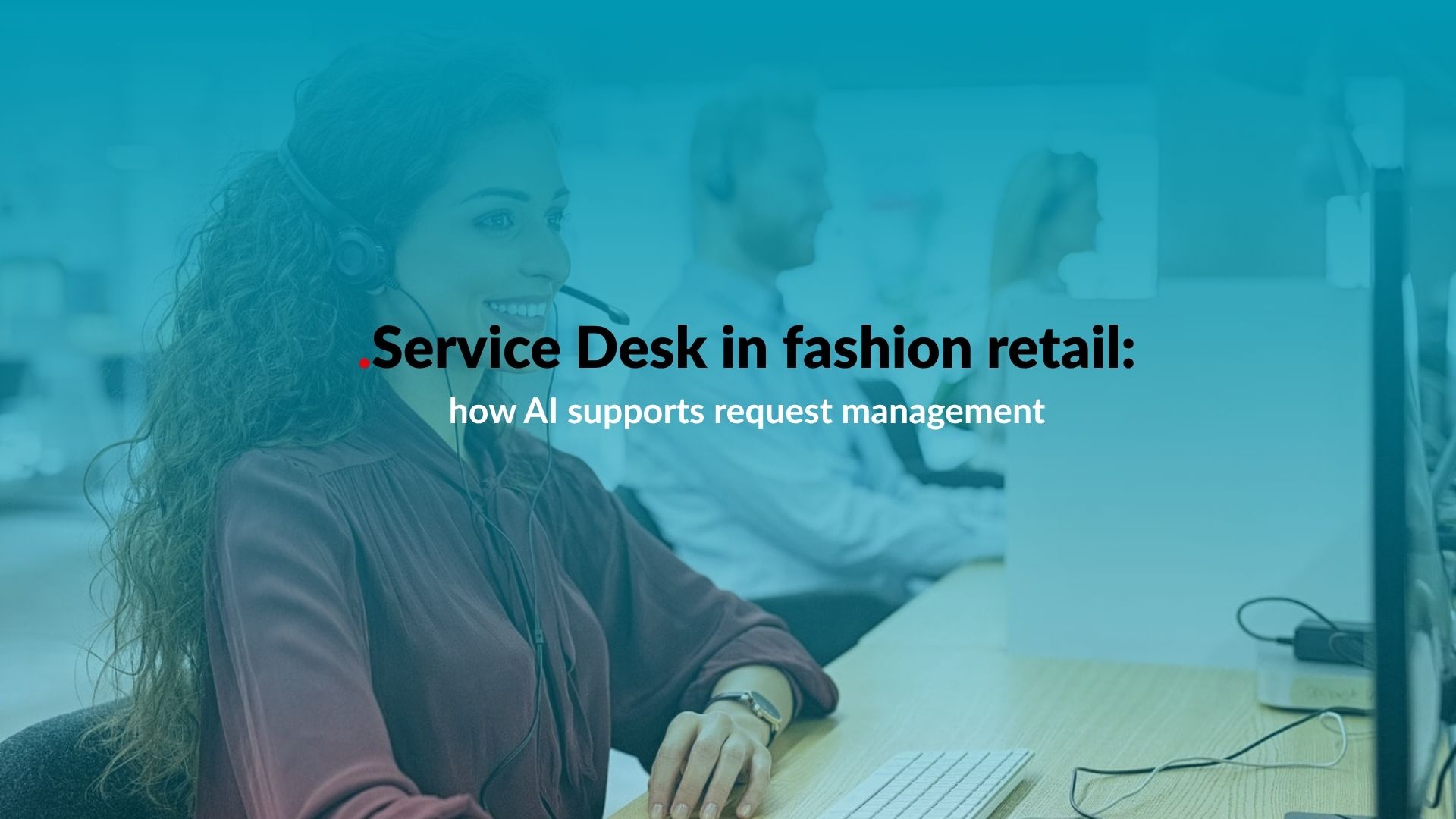
Does a store need to know how to classify an issue before asking for support?
That was the question we started with on Thursday 22 October during our LinkedIn webinar, “Fashion retail: more time for customers with AI in the Service Desk”.
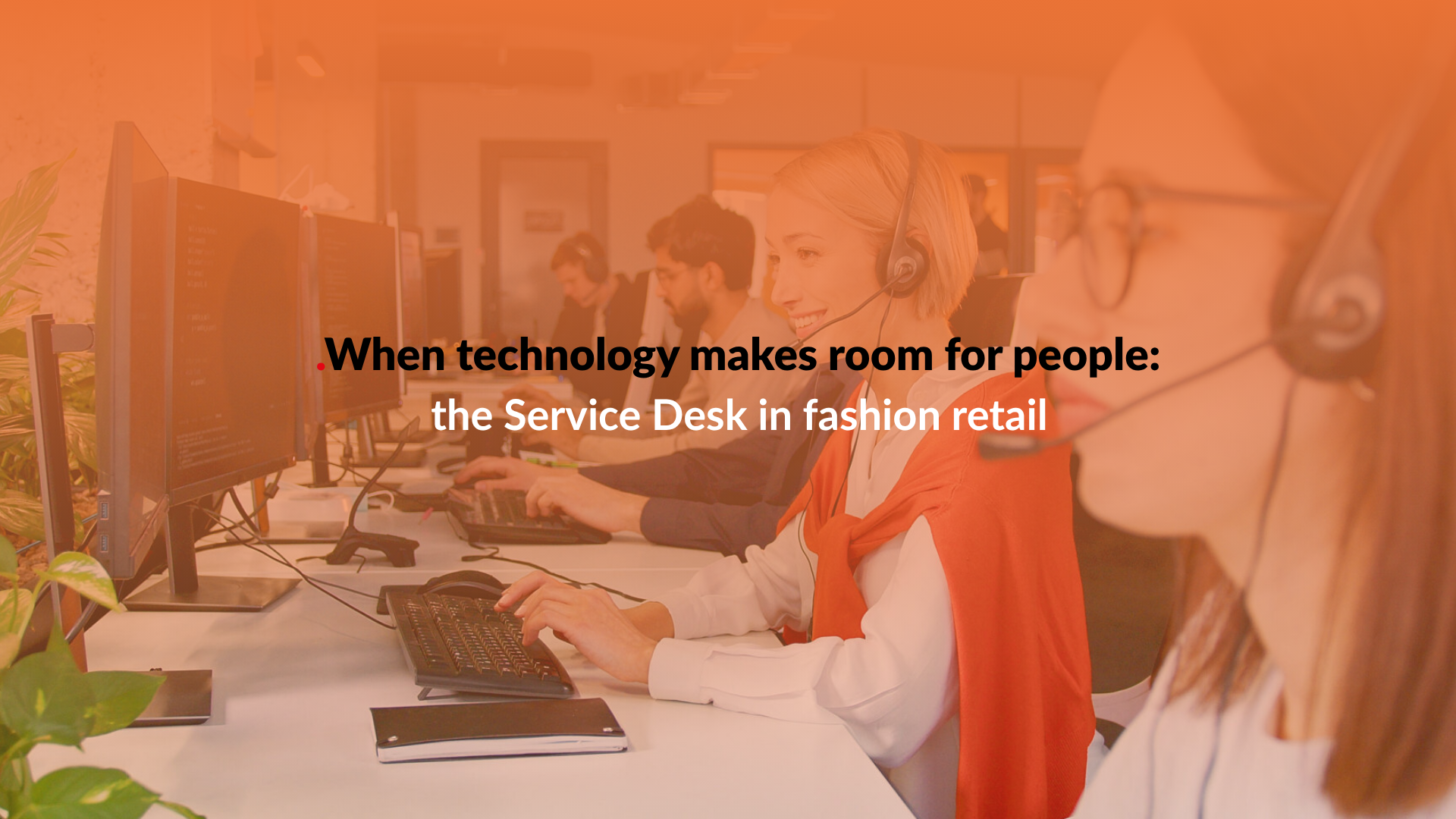
We followed the journey of a support request, from the initial report through to bringing in the expertise needed to resolve it, exploring how artificial intelligence can support the different stages of the process.
Among the technologies presented, we focused on two solutions developed by Aton: AI Call Manager and Live Call Translator.
When an operator is not immediately available, AI Call Manager can start gathering the information needed to handle the request.
By listening to and transcribing the caller’s description of the issue, the system helps build a clear picture of the problem and its context. Store staff can simply describe what is happening, while the Service Desk starts organising the information needed to handle the request.
This can reduce the initial handling time from under one minute ,our standard, to around 15–20 seconds, using the waiting time to prepare the request before an operator takes over.
When a retail network operates across different countries, support requests need to be understood and routed correctly, regardless of the language spoken by the store team.
Aton’s Live Call Translator, developed to support the languages required by each customer, is designed to make support requests easier to translate and understand, while also helping with ticket classification and assignment.
The technology complements Aton’s multilingual Service Desk, which already provides support in 14 languages.
AI Call Manager and Live Call Translator are part of Aton’s Service Desk model, built around a human-first approach, where technology supports people and their expertise.
Artificial intelligence can support some of the preliminary stages of the process, from gathering information and translation to classification and request routing. Operators can therefore receive requests that are already contextualised and focus on analysis, decision-making and coordinating the expertise needed to resolve each issue.
People remain at the heart of the service, bringing their experience and judgement, while AI helps simplify day-to-day activities.
During the webinar, we demonstrated this model through real-life cases, demos and simulations, while also exploring the role of the knowledge base and coordination across the different levels of support.
[cta_button link=”https://aton.com/en/contact/” label=”Contact” size=”_slim” target=”_blank”]
Artificial intelligence supports different stages of IT request management, from gathering information and translation through to ticket classification and routing. This means operators receive requests that are already contextualised and can focus on resolving the issue.
AI Call Manager is a solution developed by Aton that, when an operator is not immediately available, listens to and transcribes store support requests, gathering the information needed to start handling the issue. The system can help reduce this initial stage to around 15–20 seconds.
Live Call Translator is an Aton solution designed to make support requests from international stores easier to translate and understand. It supports ticket classification and assignment, helping reduce the challenges created by language differences.
A multilingual Service Desk makes communication between stores and support operators easier, helping ensure that requests are understood correctly. Aton already provides support through operators who are native speakers of 14 languages, supported by artificial intelligence tools.
In Aton’s human-first model, operators remain responsible for analysis, decision-making and coordinating the expertise needed to resolve each issue. AI supports them by automating or simplifying some of the preliminary tasks, such as gathering and organising information.