We simplify the complexity of Fashion by integrating the supply chain, sales networks, wholesale channels and stores into a digital ecosystem that connects data and processes, streamlines operations and supports more efficient, responsible omnichannel growth
Our fashion expertise is rooted in projects developed alongside brands and businesses that manufacture, distribute and sell clothing, footwear, accessories, eyewear and luxury goods through retail, wholesale and omnichannel networks.
Here are some of the businesses that have chosen us to digitalise their processes:


The first step is to identify the processes creating the greatest complexity or causing the most delays: store management, stock control, store support, the sales network, wholesale channels or relationships with customers and partners. Solutions can be introduced gradually and integrated with existing ERP, POS, WMS, CRM and e-commerce systems, without replacing the entire technology infrastructure. This allows digital transformation to start with the business’s real priorities and evolve over time.
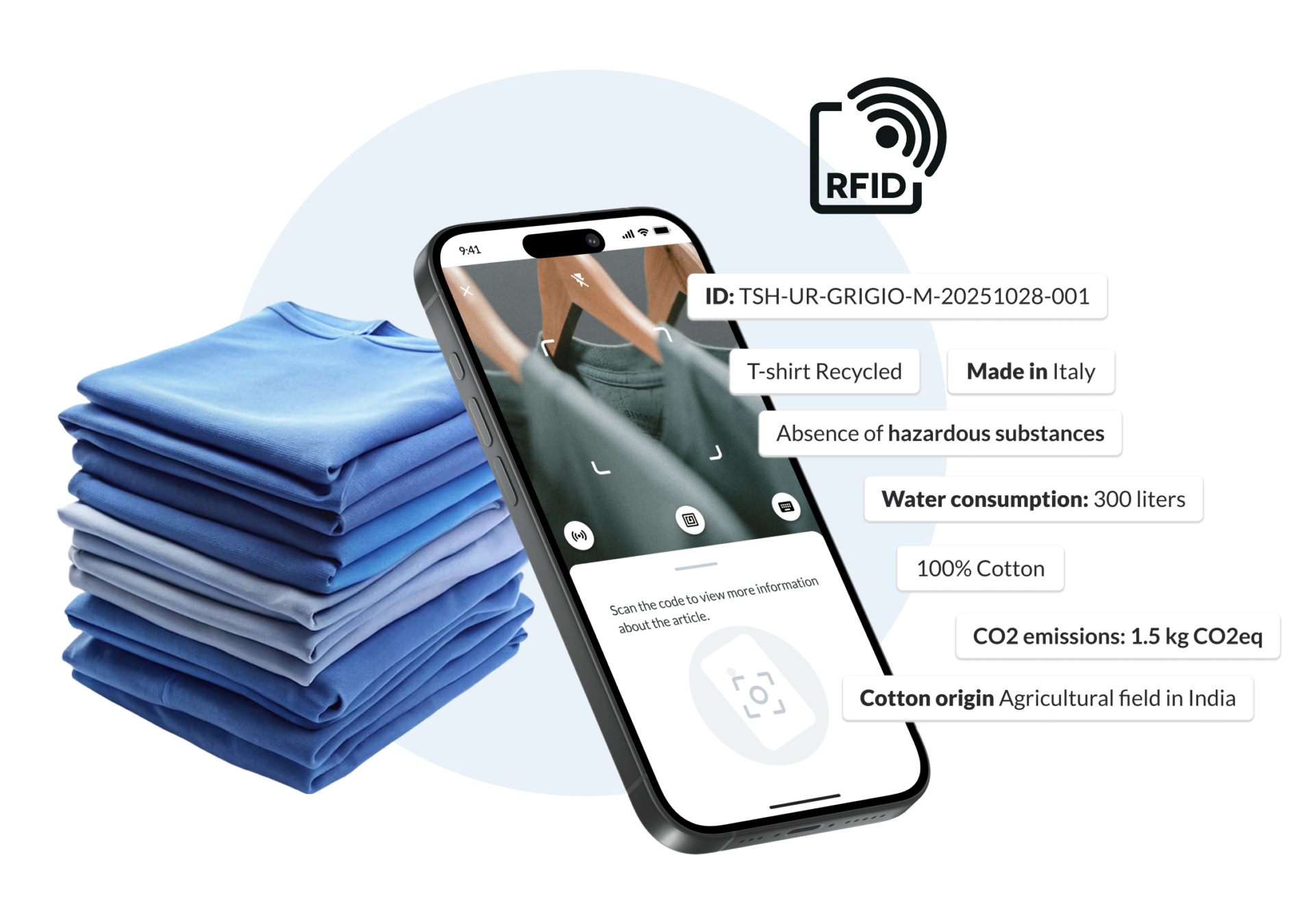
RFID technology makes it possible to identify and track every individual item throughout the supply chain, in warehouses and within stores. It enables faster, more reliable stocktakes, reduces discrepancies between physical and recorded stock, and identifies products that are available but not on display. Greater stock visibility also helps prevent stock-outs, improve replenishment and enhance the customer experience by enabling faster service.
Yes. A dedicated sell-out service can collect sales data from wholesalers, franchisees and multi-brand retailers, even when it is supplied via Excel, PDF, email, POS systems or other formats. The information is checked, standardised and made compatible with ERP, CRM, business intelligence and forecasting systems. This gives the brand visibility of actual sales and stock, enabling better replenishment and more accurate assessment of product, collection and store performance.
A retail-specialist Service Desk gives store staff a single point of contact for issues involving tills, POS systems, networks, devices, promotions and applications. Multilingual, omnichannel support makes it possible to handle requests across international networks and during peak trading periods. Ticket traceability, combined with knowledge bases, chatbots and AI-powered tools, helps reduce resolution times, recurring requests and store downtime.
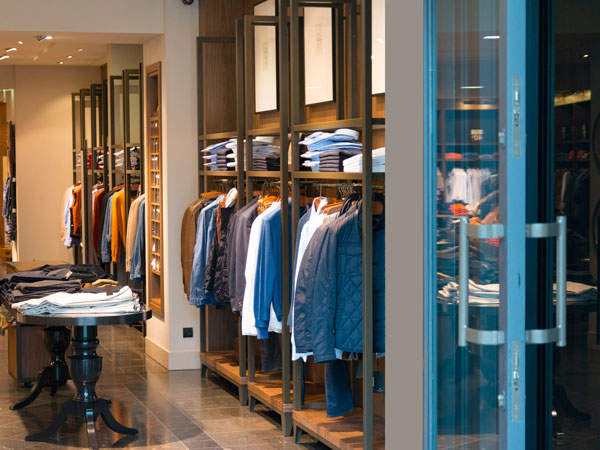
Managing an international store network requires systems that centralise data, processes and operating rules while retaining the flexibility needed in different countries. Capabilities such as unified management of stock, orders, promotions, loyalty, returns and store performance help reduce misalignment between head office and stores, limit manual work and improve network control.
Access to up-to-date information also enables more effective replenishment coordination, closer monitoring of store operations and a consistent experience across physical and digital channels, even where languages, currencies, regulations and organisational models differ.

Yes. A retail management suite enables head office to define shared processes and rules while maintaining different levels of autonomy for company-owned, affiliated and franchised stores. Sales, goods receiving, repeat orders, promotions, loyalty, gift cards, stocktakes and documents can all be managed in a single environment. Head office gains an up-to-date view of the entire network, while each store accesses the functions assigned to it.
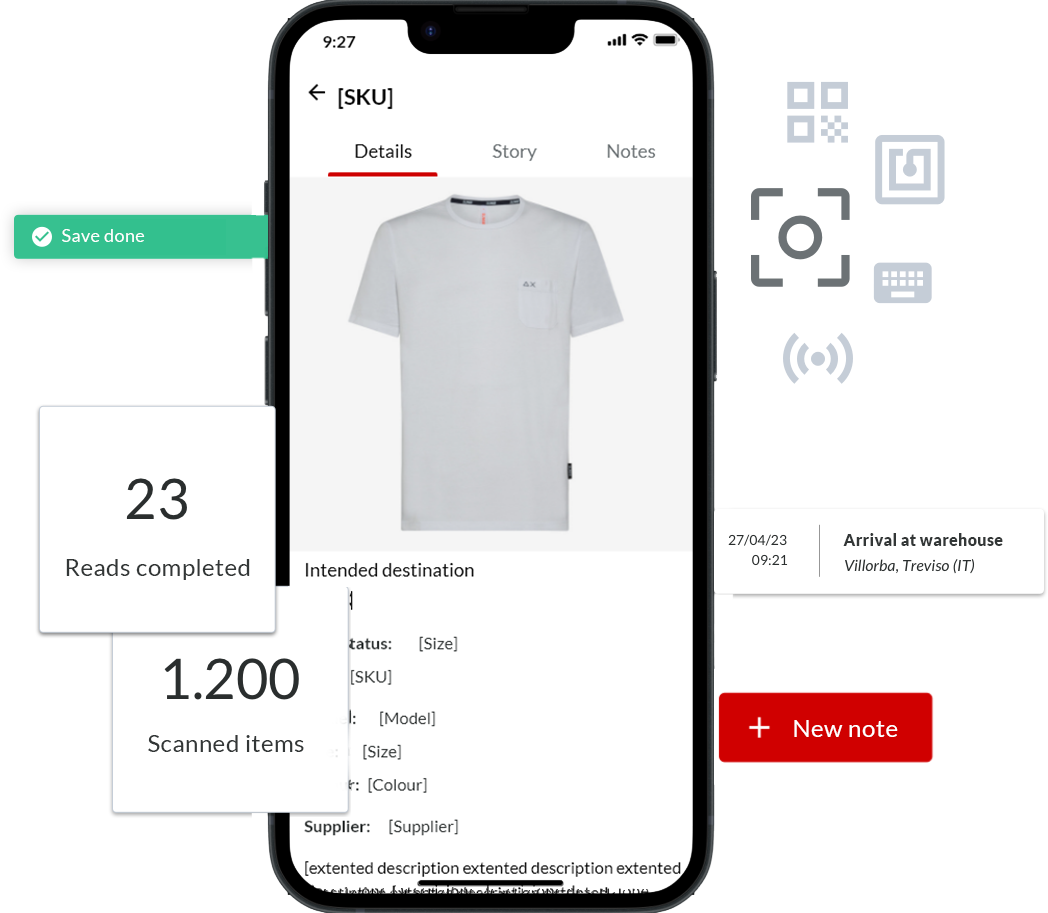
A Sales Force Automation solution gives sales agents and managers mobile access to up-to-date information on customers, products, catalogues, prices, promotions, orders and sales activities. Agents and area managers can prepare for visits, take orders and review relationship history while away from head office. Integration with ERP, CRM and the B2B portal reduces manual work, limits errors and keeps information aligned throughout the sales process.
A B2B portal enables retailers, distributors and trade customers to browse catalogues and personalised trading terms, review their purchase history and place orders or repeat orders independently. Integration with ERP, CRM and the sales network keeps information such as prices, availability, documents and delivery status up to date. The digital channel complements the work of sales agents and makes commercial relationships more continuous, straightforward and accessible.
An omnichannel CRM brings together information from stores, sales agents, e-commerce, marketplaces and other touchpoints in a single view. This provides a deeper understanding of customer and partner behaviour, preferences and interaction history. Marketing, sales and service teams can then work from shared data, create more relevant communications and deliver greater consistency throughout the customer journey.
The DPP requires complete, reliable product data connected throughout the value chain. Businesses need to identify the information held across different systems, verify its quality and link it unambiguously to each item. RFID technologies, data management platforms and integrations with ERP, PIM, WMS and retail systems help build the information foundation needed for traceability, transparency, authenticity and future regulatory compliance.