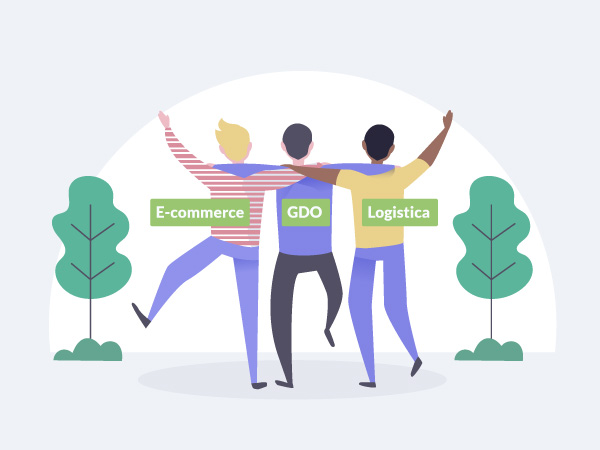
We simplify retail complexity by connecting head office, stores and the supply chain within a digital ecosystem that centralises data and processes, streamlines operations and makes company-owned, affiliated and independent networks more efficient
Our retail expertise comes from projects developed alongside grocery retailers, organised retail groups and specialist retailers, coordinating networks of company-owned, affiliated and independent stores every day.
Here are some of the businesses that have chosen us to optimise their sales operations:

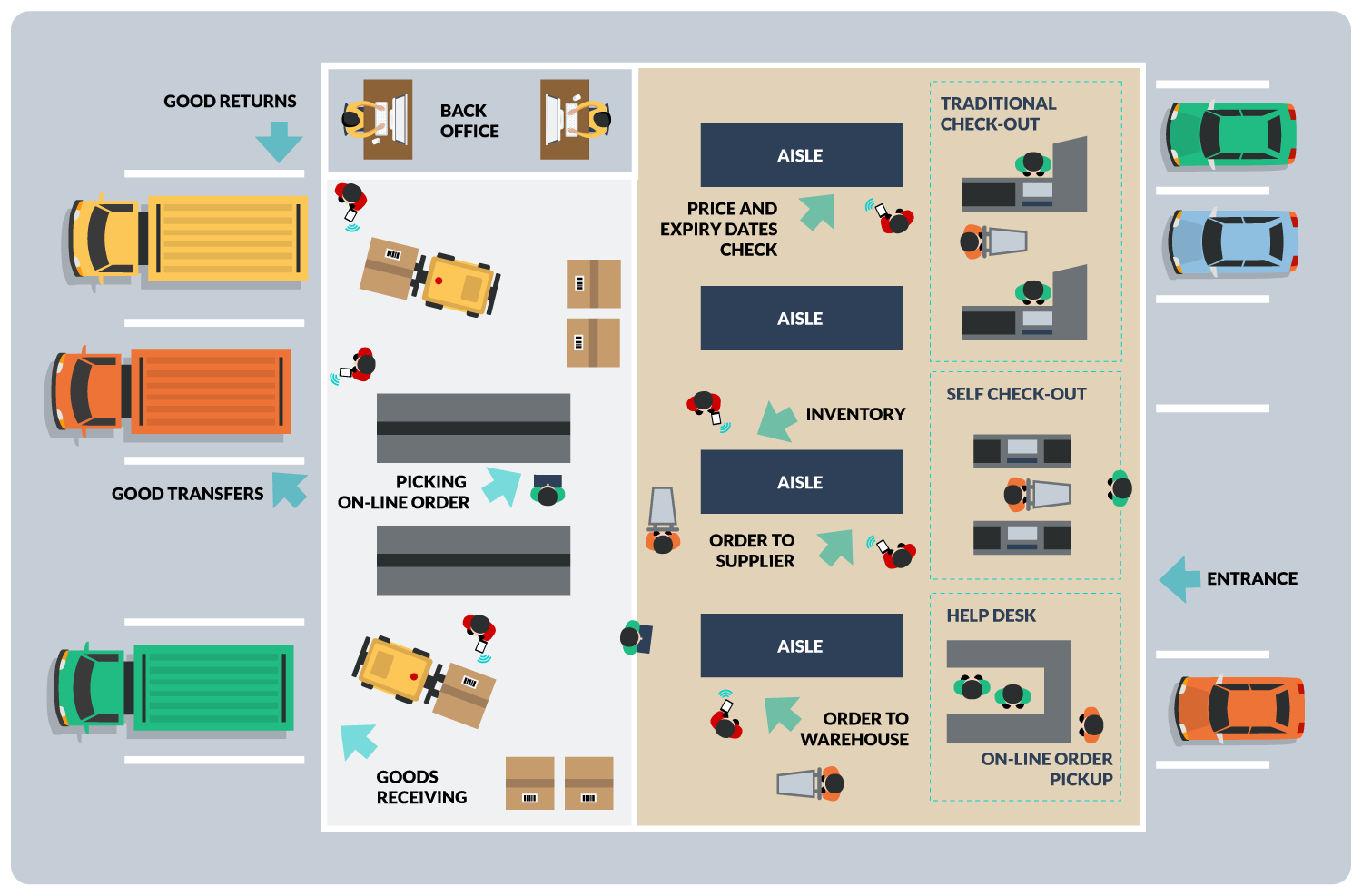
In a complex retail network, the processes connecting head office, stores, warehouses and checkout systems can all be digitalised: master data and assortment management, promotions, loyalty, replenishment, goods receiving, stocktakes, stock control, price checks, sales analysis and operational support. An integrated approach to retail digitalisation reduces manual tasks, errors and system fragmentation, making company-owned, affiliated and franchised networks easier to manage.
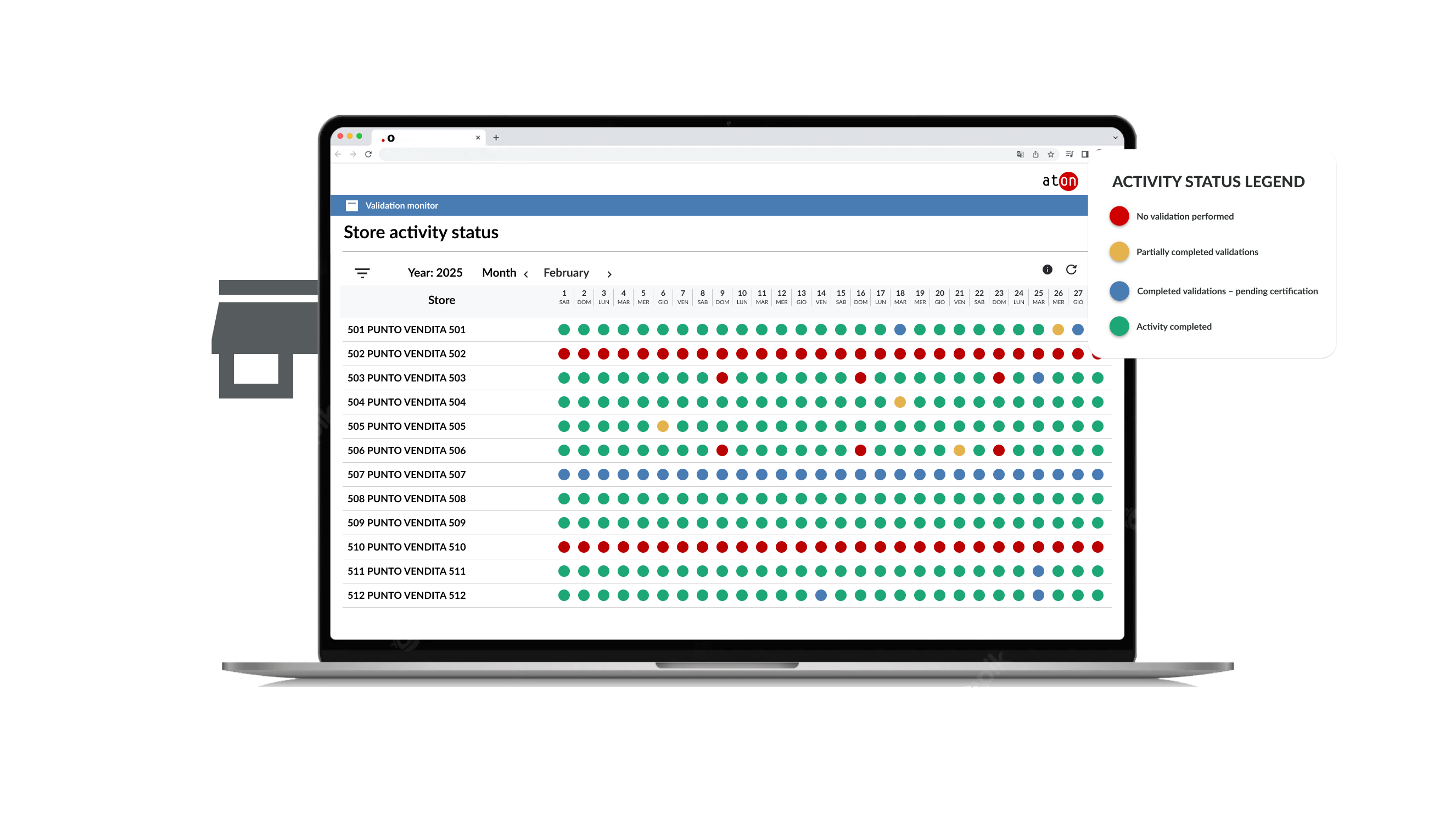
Retail management software centralises rules, data and operating processes, keeping head office and stores aligned. From head office, teams can configure procedures, monitor sales and stock, manage promotions and loyalty, collect store data and integrate systems such as ERP platforms, tills, scales, electronic shelf labels and mobile devices. It is particularly valuable for multi-store chains, retailers with company-owned and affiliated stores, and businesses looking to replace legacy systems and non-standardised processes.
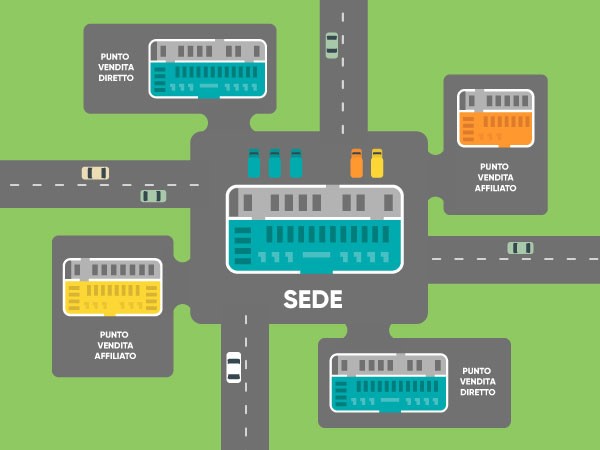
Managing company-owned, affiliated and franchised stores requires the right balance between central governance and local operational autonomy. A retail management platform makes it possible to set shared rules, tailor configurations by cluster or store format, monitor task execution and maintain an up-to-date view of sales, stock, promotions and performance. This allows the network to grow without compromising consistency, control or service quality.
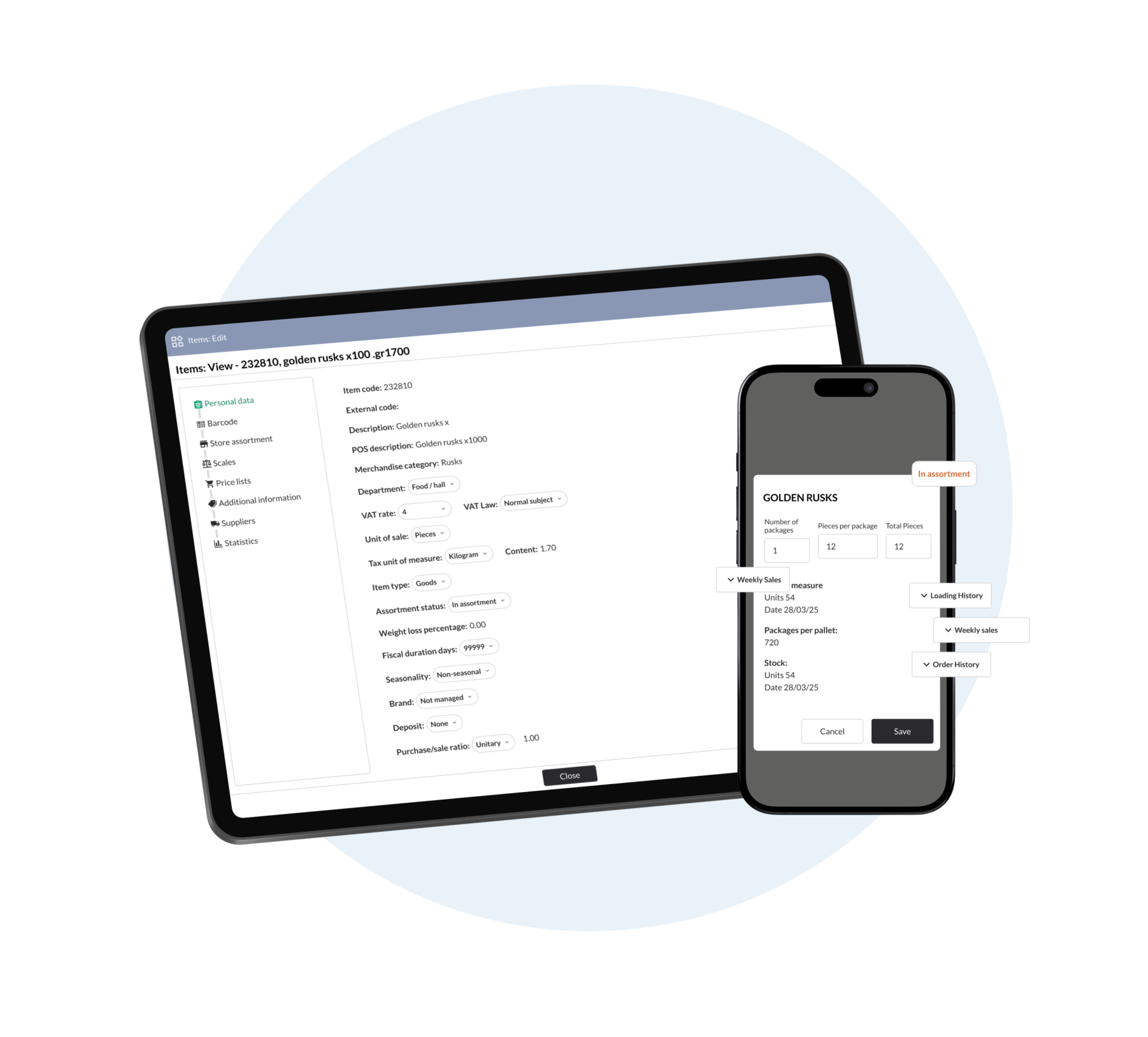
Incomplete or inconsistent product data can cause errors across assortments, promotions, digital channels, labels, product records and customer communications. A retail PIM centralises product information in a single source of truth, managing descriptions, images, attributes, classifications, certifications, packaging, translations and approval workflows. This enables marketing, sales, operations and IT teams to work with more consistent, up-to-date data that can be distributed across stores, e-commerce sites, marketplaces and B2B channels.
A B2B portal gives business customers, affiliates, partners and stores an online area available 24/7 where they can access catalogues, promotions, documents, price lists, orders, invoices and personalised information. In retail, it can become a service channel for quick repeat orders, simplifying relationships with B2B customers and distributed networks, reducing manual requests and improving traceability throughout the order process.

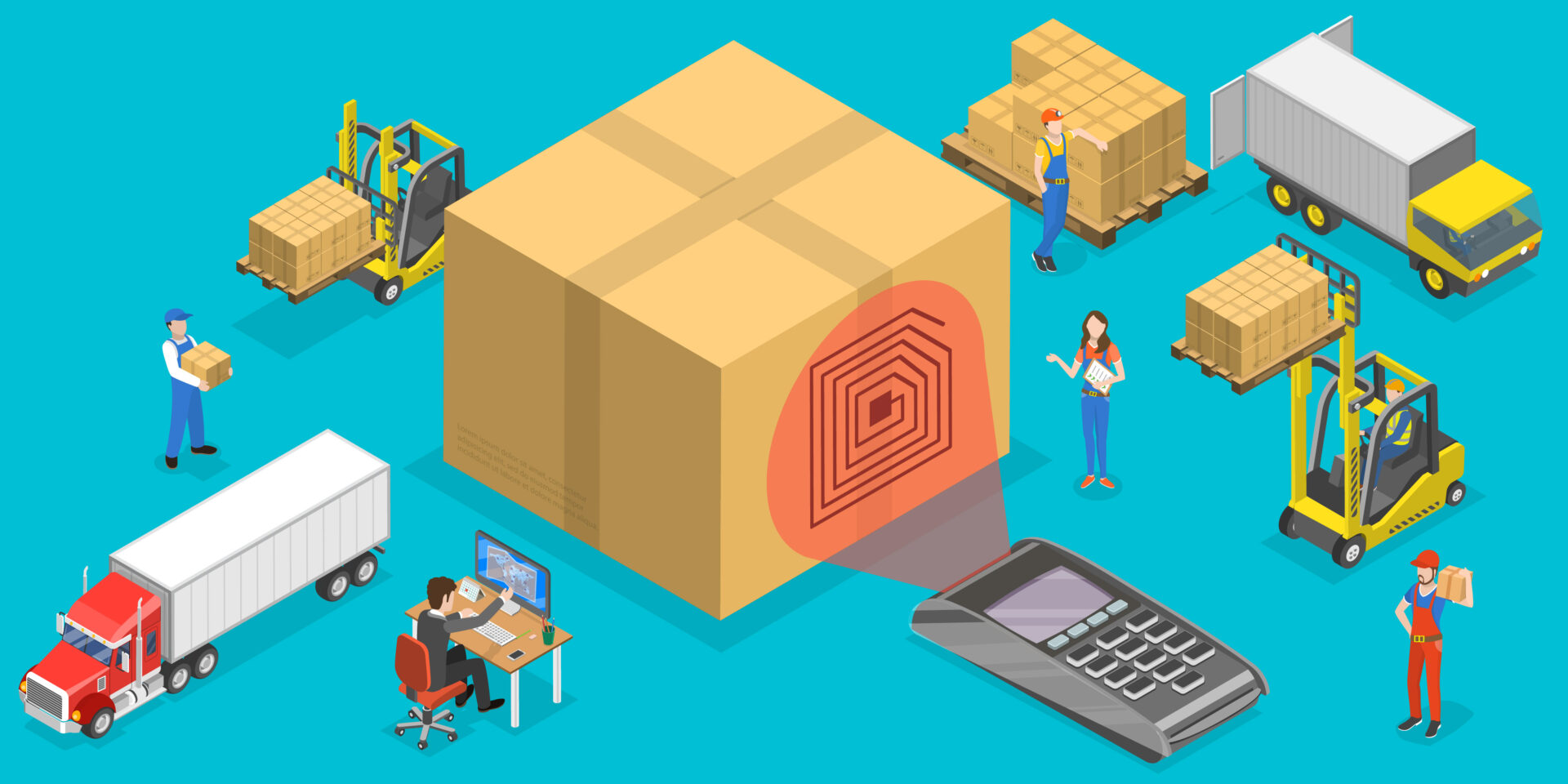
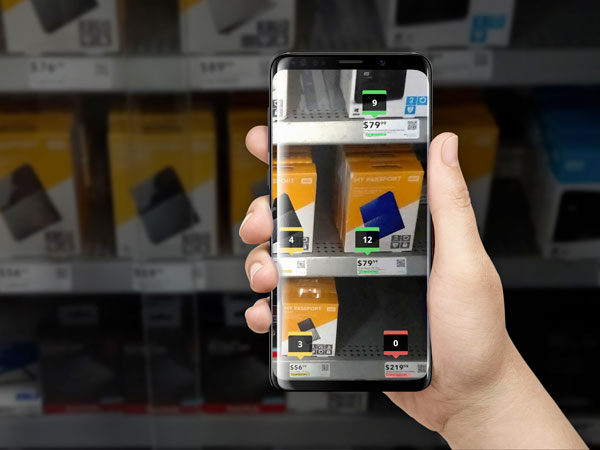
Retail stock management improves when system stock is aligned with physical stock through digital goods-receiving, stocktaking, stock-control and traceability processes. Mobile tools, retail RFID and integration with head-office systems help identify errors at source, reduce stock discrepancies and improve the reliability of data used for replenishment, sales and analysis. The result is better product availability, with fewer stock-outs, less waste and less capital tied up in inventory.
Stockroom management software guides goods receiving, quantity checks, delivery-note verification, stocktakes, stock movements and stock updates. The aim is to replace paper, spreadsheets and manual tasks by bringing data directly to the point of activity: the stockroom, shop floor or mobile device. Stores can therefore work with more up-to-date data, while head office gains more reliable information for operational and commercial decisions.
AI in retail can support both operational and decision-making activities: automatic reading of goods-receipt documents, order-delivery note-invoice reconciliation, demand forecasting, replenishment recommendations, performance analysis and user support. AI-powered retail analytics creates value when embedded in day-to-day processes, rather than confined to reports, helping reduce repetitive work, anticipate issues and make faster decisions.
Retail analytics, real-time data and business intelligence enable retailers to move from retrospective monitoring to more continuous network management. Sales, stock, margins, promotional performance, stock discrepancies and store behaviours can be assessed more promptly and compared consistently. A retail intelligence platform helps head office, operations, marketing and finance teams make decisions based on shared data, reducing fragmented choices and decisions based on outdated information.
Promotions, loyalty schemes, coupons, gift cards, B2C apps and customer data need to be managed in an integrated way to deliver a consistent retail customer experience across stores, digital channels and marketing initiatives. Centralised management makes it possible to define promotional rules, customer segments, consent preferences, coupons and loyalty programmes while keeping head office and stores aligned. This supports more targeted customer engagement, reduces the risk of promotions being applied incorrectly and helps build an ongoing relationship throughout the omnichannel customer journey.