World LPG Day 2026: LPG takes centre stage in the energy landscape
10/06/2026
On 7th June, World LPG Day 2026 was celebrated: the global initiative promoted by the World Liquid Gas Association that brings together companies, institutions and sector stakeholders each year. The theme chosen for 2026 is “LPG: Pass It Forward“, an invitation to tell the story of LPG as a resilient, accessible and reliable energy source.
This year’s celebration comes at a particularly significant moment: the global energy landscape in 2026 is anything but linear, which is precisely why it is worth pausing for a moment to ask where LPG stands in the world today.
The global LPG market has grown significantly over the past forty years. Since the first Global LPG Forum in Dublin in 1987, when the sector was worth around 130 million tonnes a year, it has now exceeded 360 million tonnes: almost three times as much.
This growth tells a truth that is often underestimated: LPG is one of the very few energy sources able to serve domestic cooking, heating, industry, transport, petrochemicals and power generation at the same time. A rare versatility, supported by a global infrastructure that is already in place and widespread.
For years, LPG was seen as a “bridging” energy source: too small to be treated like oil, too low-profile to become a protagonist in the transition narrative. In 2026, something shifted.
In June, the International Energy Agency will host an LPG industry leadership forum at its headquarters in Paris, bringing global industry leaders and representatives of around 25 national governments to the table. That is a signal that would not have existed just a few years ago.
While institutional recognition is growing, the global supply chain for LPG is facing one of its most strained periods in recent decades. The geopolitical landscape is unstable, supply routes are under stress, and the reliability assumptions the market took for granted until only recently no longer hold.
In March, the WLGA itself issued an official statement on the global supply chain situation: an unusual move that gives a sense of the intensity of pressure on the system. The core message is clear: in this context, every lever of efficiency and every opportunity for consolidation becomes decisive.
One consequence is captured well by WLGA CEO James Rockall: for years, the industry talked about transition; today, another word has come to the fore, and that word is resilience.
An energy system that only works under ideal conditions is not resilient. This became clear when India, faced with growing geopolitical uncertainty, accelerated the diversification of its LPG imports and achieved immediate gains in flexibility and stability.
It is precisely because of its structural characteristics (portability, storability, operational flexibility and an already widespread infrastructure) that LPG is returning to the centre of the conversation. It does not replace renewables. It complements them, especially where electrification is technically difficult, economically burdensome or simply unavailable, such as in off-grid areas and certain high-temperature industrial applications.
In Europe, the debate on decarbonising heating has often been polarised between full electrification and maintaining the status quo. A recent white paper by Frontier Economics, commissioned by SHV Energy and DCC Energy, paints a more nuanced picture.
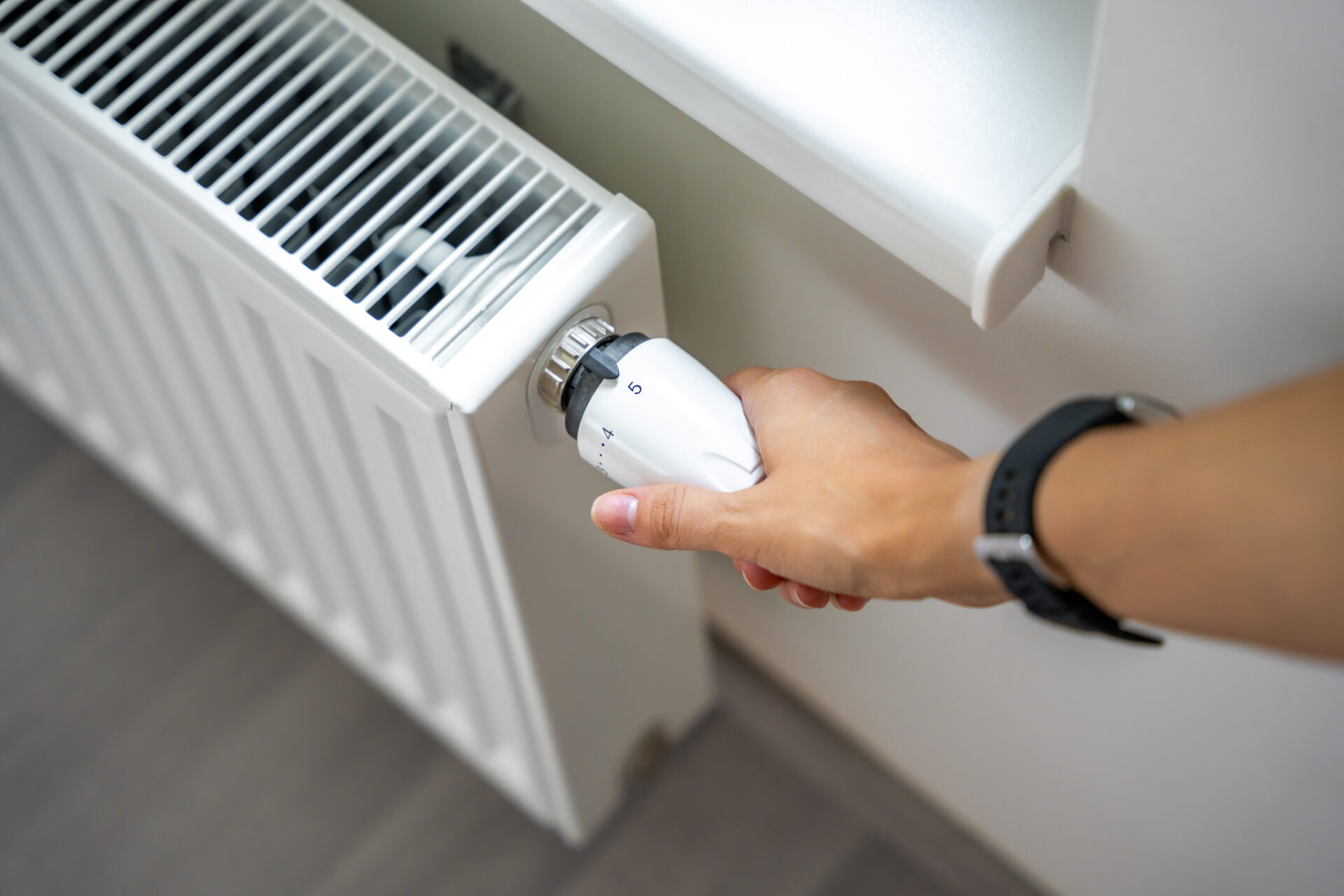
The underlying reasoning is simple. If Europe were to replace LPG entirely with electricity, overall electricity demand during the coldest months would rise significantly, especially at peak times. To meet that peak without overloading the system, new power stations and grid upgrades estimated at between €11 billion and €56 billion would be required, with further investment in local distribution on top.
The same study highlights that renewable liquid gases (bioLPG, rDME) could reach production of between 2.3 and 7.5 million tonnes by 2040: enough to cover up to 70-80% of European LPG energy demand using the existing infrastructure.
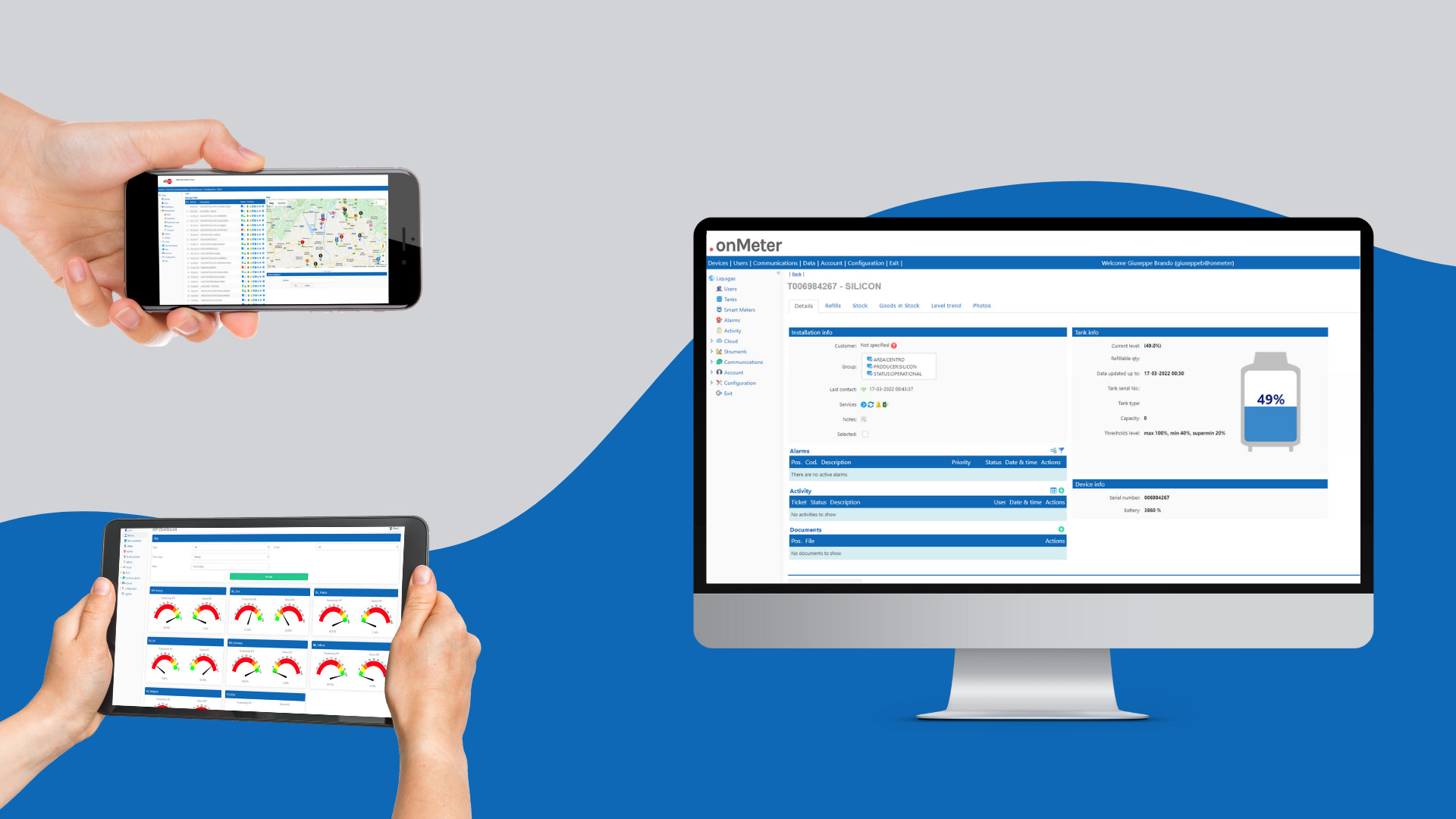
All of this has a very tangible implication for those who distribute LPG every day: the market is becoming more connected, more volatile and more complex. LPG is no longer defined solely by where it comes from, but increasingly by the ability to read and manage data across the entire supply chain.
Buying well in volatile price scenarios requires accurate consumption forecasting. Ensuring service continuity requires real-time telemetry and predictive asset maintenance. Managing an increasingly complex product mix (conventional LPG + renewables) requires precise traceability throughout the cycle. Responding to regulatory complexity requires end-to-end digital documentation.
These are challenges of the present, certainly. But they are also challenges of the future. Today’s scenario is not set to stabilise: geopolitical balances, energy mixes, regulations and customer expectations will continue to change. Responding well to what is happening now matters. Being ready for what has not happened yet matters just as much, if not more.
In other words, the quality of an LPG distributor’s business is not measured only by today’s results, but by the ability of its systems to withstand what tomorrow will bring. Aton’s .one platform was built over more than thirty years working alongside Italian and international distributors for exactly this reason: to centralise control across the supply chain, enhance it with AI and put companies in a position to face the current scenario and adapt quickly to those yet to come.